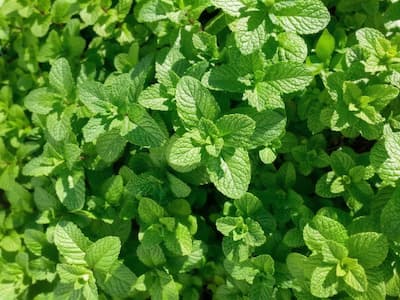
Smoking mint? Botany, menthol and why smoke stays smoke
What mint is botanically, where menthol comes from, why it was banned in cigarettes and roll-your-own tobacco, and why even nicotine-free smoke...
Read more
What mint is botanically, where menthol comes from, why it was banned in cigarettes and roll-your-own tobacco, and why even nicotine-free smoke...
Read more
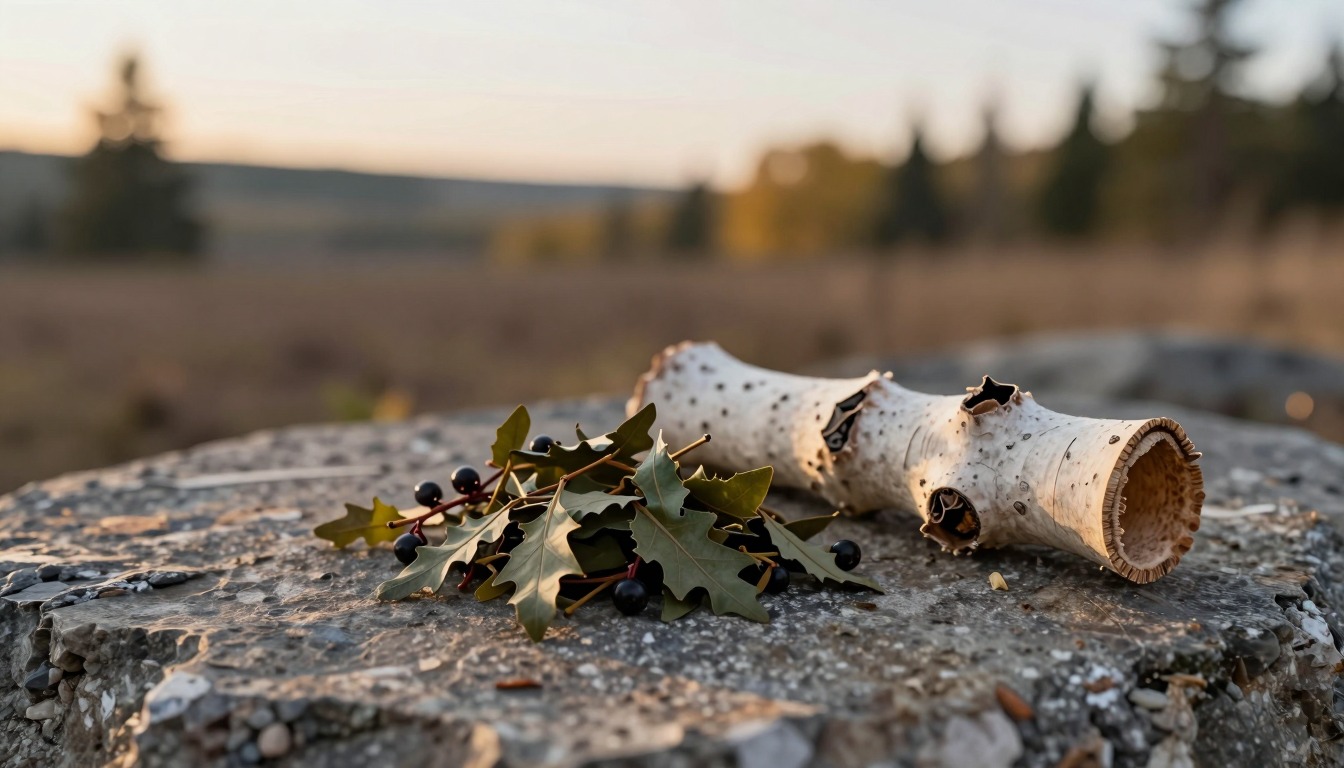
What Herodotus, Theophrastus and Pliny write about frankincense, trade routes and Nero's extravagance, and where the sources stop.
Read more
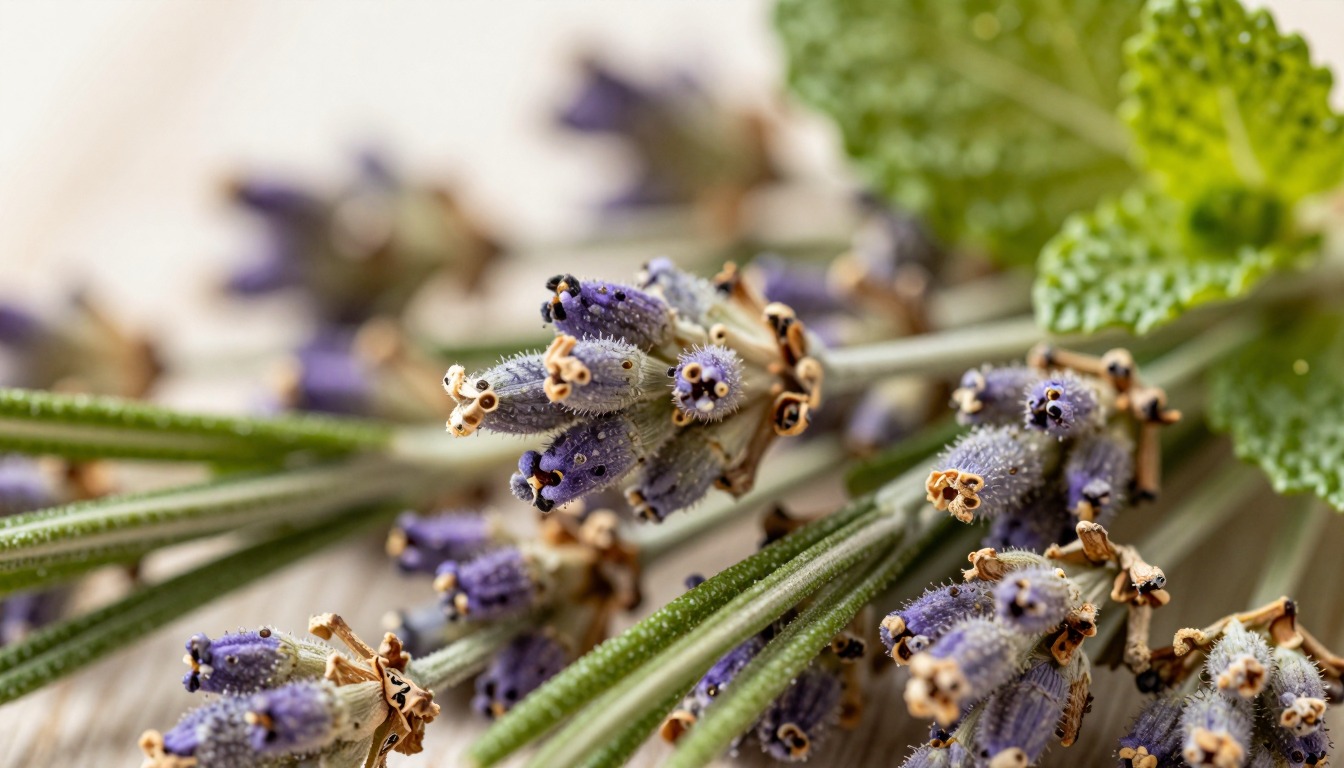
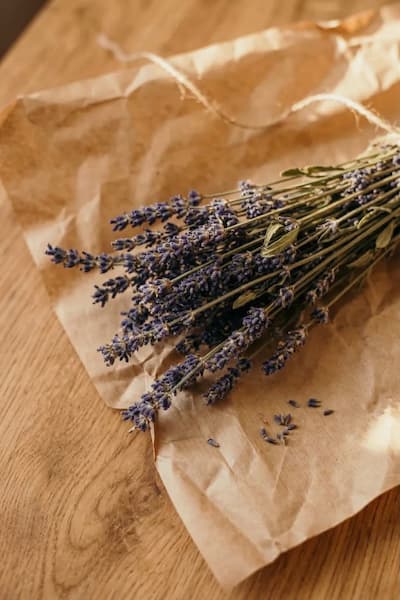
True lavender is a fragrance and culinary plant and not part of Mild and Mild Silver: what can be documented about botany, Provence cultivation,...
Read more
What museums, agencies and reference works document about tobacco, kinnikinnick, ceremonial pipes and copal, without instructions and without...
Read more
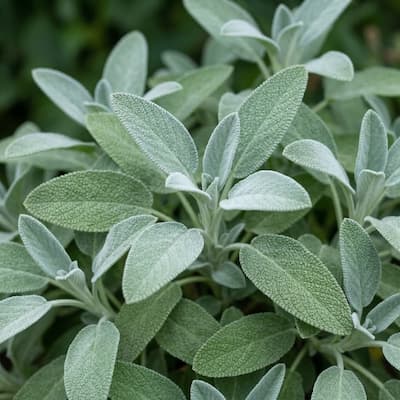
Common sage is a culinary and tea plant, not part of Mild and Mild Silver: what can be documented about botany, thujone and history, and why we...
Read more
What the field of ethnobotany studies, where the term comes from and how researchers work, with examples and sources.
Read more
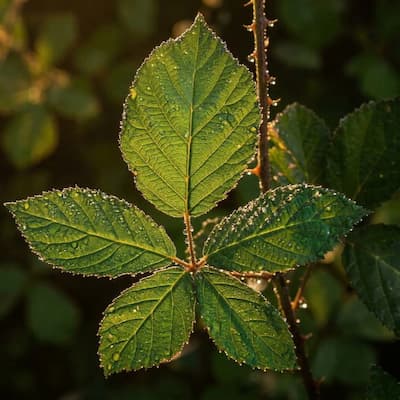
Blackberry leaves are one of seven ingredients in Mild and Mild Silver, raspberry leaves are not: what the leaves are, how they differ and why...
Read more
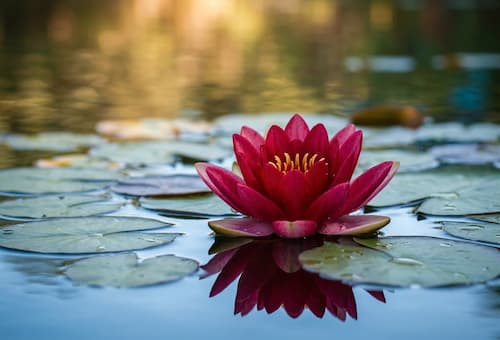
The Indian lotus (Nelumbo nucifera) in Mild and Mild Silver: botany, cuisine, cultural history and the lotus flower petals in the blend.
Read more
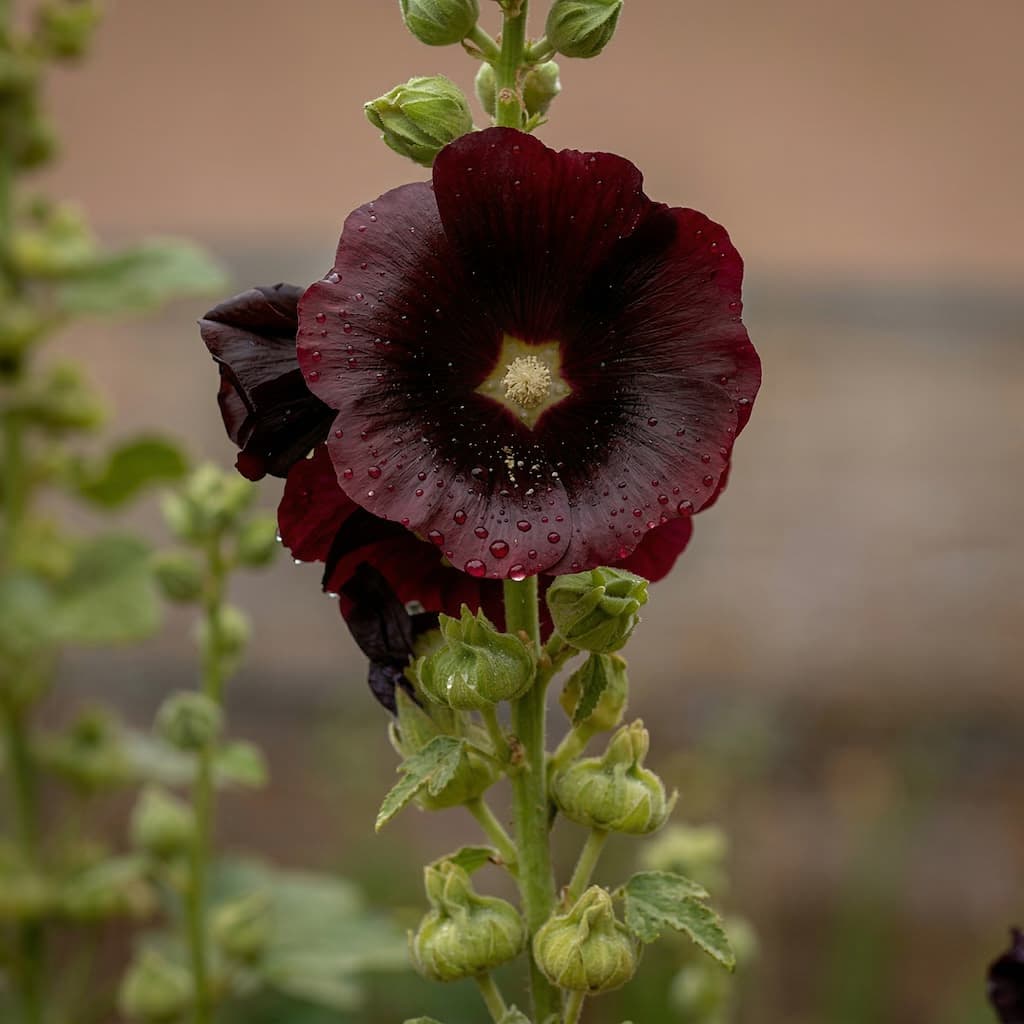
Hollyhock and marshmallow are two different plants: what makes the hollyhock botanically distinct and what role its leaves play in Mild and Mild...
Read more
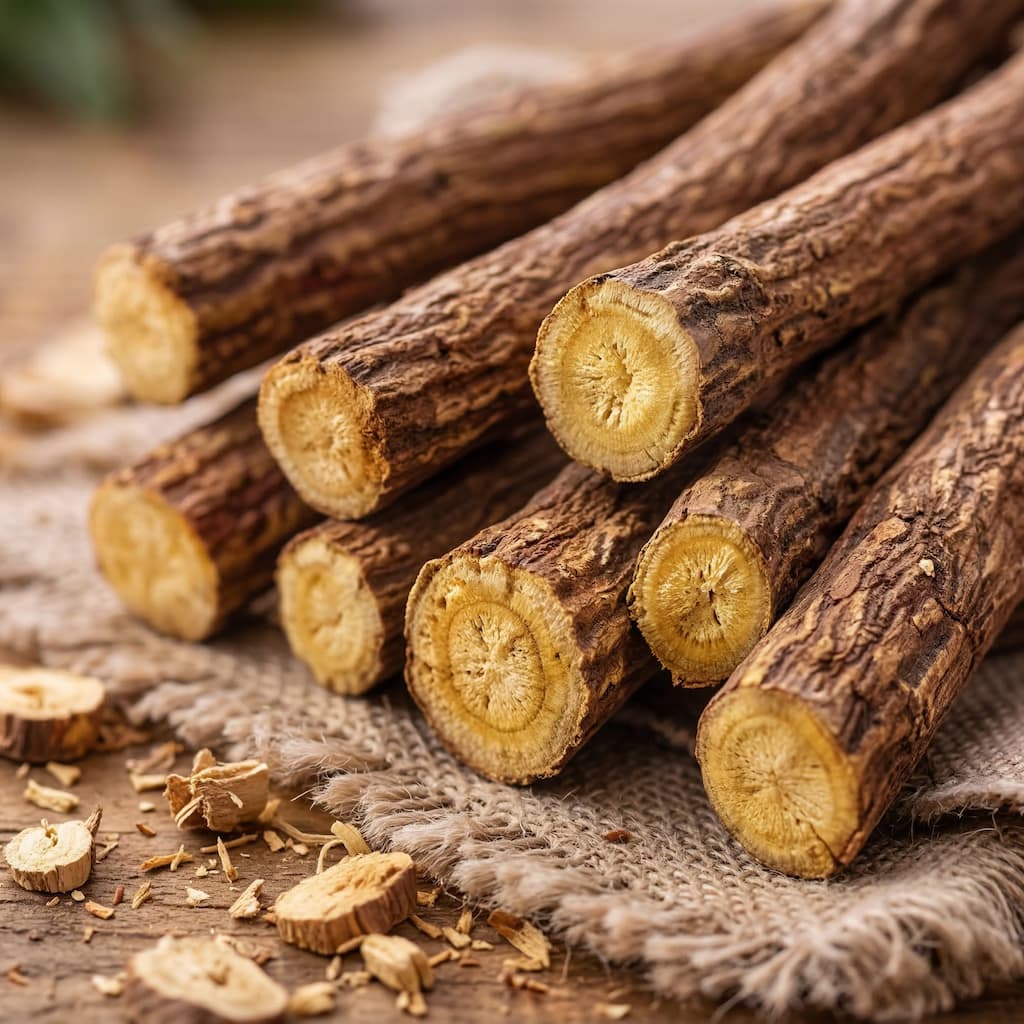
Where the sweetness of licorice root comes from, how it became licorice confectionery, and what role it plays in Mild and Mild Silver.
Read more
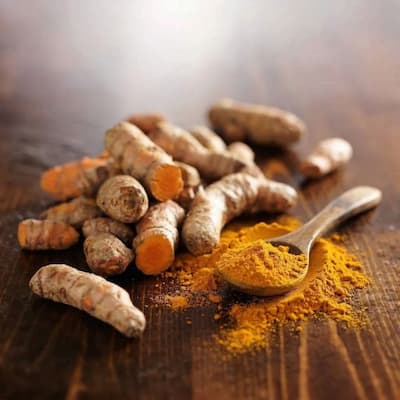
In Mild and Mild Silver, turmeric is a leaf, not a spice powder, and that is a different plant part with its own culinary tradition.
Read more
What terpenes are chemically, where they occur and what can be documented about the seven ingredients of Mild and Mild Silver, with sources and...
Read more