Key points
- Tobacco originates in the Americas. Archaeological finds document its use there going back up to 12,300 years.
- The US health agency CDC distinguishes “traditional” from commercial tobacco. Traditional tobacco is, for example, offered in prayer and, according to the CDC, rarely inhaled.
- “Kinnikinnick” literally means “mixture”. Europeans of the colonial period transferred the word to shrubs such as bearberry or red osier dogwood, whose bark or leaves are traditionally smoked.
- “Calumet” originally referred only to the hollow shaft of a ceremonial pipe. According to the National Park Service, the reading as a mere “peace pipe” goes back to a misunderstanding.
- Copal is a resin that was burned as incense in Mesoamerica and is still used today by some Indigenous peoples of Mexico and Central America.
Table of contents
- Loading...
Smoke plays a role in many Indigenous cultures of the Americas, from the tobacco of North America through kinnikinnick to the copal of the Maya. This article only reports what government agencies, museums and reference works document, and says where the sources stop. It is not instructions to imitate.
What this article is and what it is not
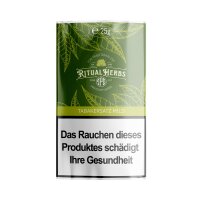
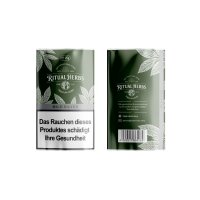
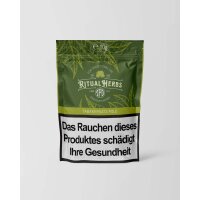
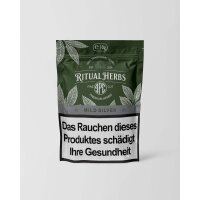
To be clear: The traditions described here belong to the communities that live them. They have nothing to do with our products. Mild and Mild Silver are tobacco-free tobacco substitute for smoking, not incense and not a ceremonial product.
We therefore do not describe the course of ceremonies, give no instructions and interpret nothing. Anyone who wants to know more will find in the sources at the end the National Park Service, which works with the tribal nations concerned, as well as other reference works.
How researchers study plant knowledge across cultures is explained in What is ethnobotany?. For the facts on smoking herbs, see Is smoking herbs harmful?.
Tobacco: a plant from the Americas
Tobacco originates in the Americas. According to Wikipedia, archaeological finds show that people in the Americas were already using tobacco 12,300 years ago. The center of origin of the cultivated plant Nicotiana tabacum lies in the Peruvian-Ecuadorian Andes. The Spanish introduced Europe to tobacco around 1528.
For eastern North America, Wikipedia notes that tribes carried tobacco with them in pouches, as a welcome trade good, and smoked it in pipe ceremonies, at sacred ceremonies as well as to seal a treaty. Nicotiana rustica, a second tobacco species, is now grown in North America only in small quantities by some Indigenous tribes.
Traditional and commercial tobacco
The US health agency CDC expressly distinguishes the two. According to it, traditional tobacco is tobacco or another plant mixture grown or harvested without added chemicals and used for centuries by Indigenous nations with cultural and spiritual significance. It can be offered in prayer and, according to the CDC, is rarely inhaled into the lungs. The CDC describes commercial tobacco as products from companies that contain harmful chemicals and are sold for profit.
The organization Truth Initiative presents the network “Keep it Sacred”: a nationwide alliance of tribal organizations and health programs that aims to reduce the use of commercial tobacco among American Indians and Alaska Natives. The distinction thus comes from health work itself. Lumping the two together would be inaccurate.
What is kinnikinnick?
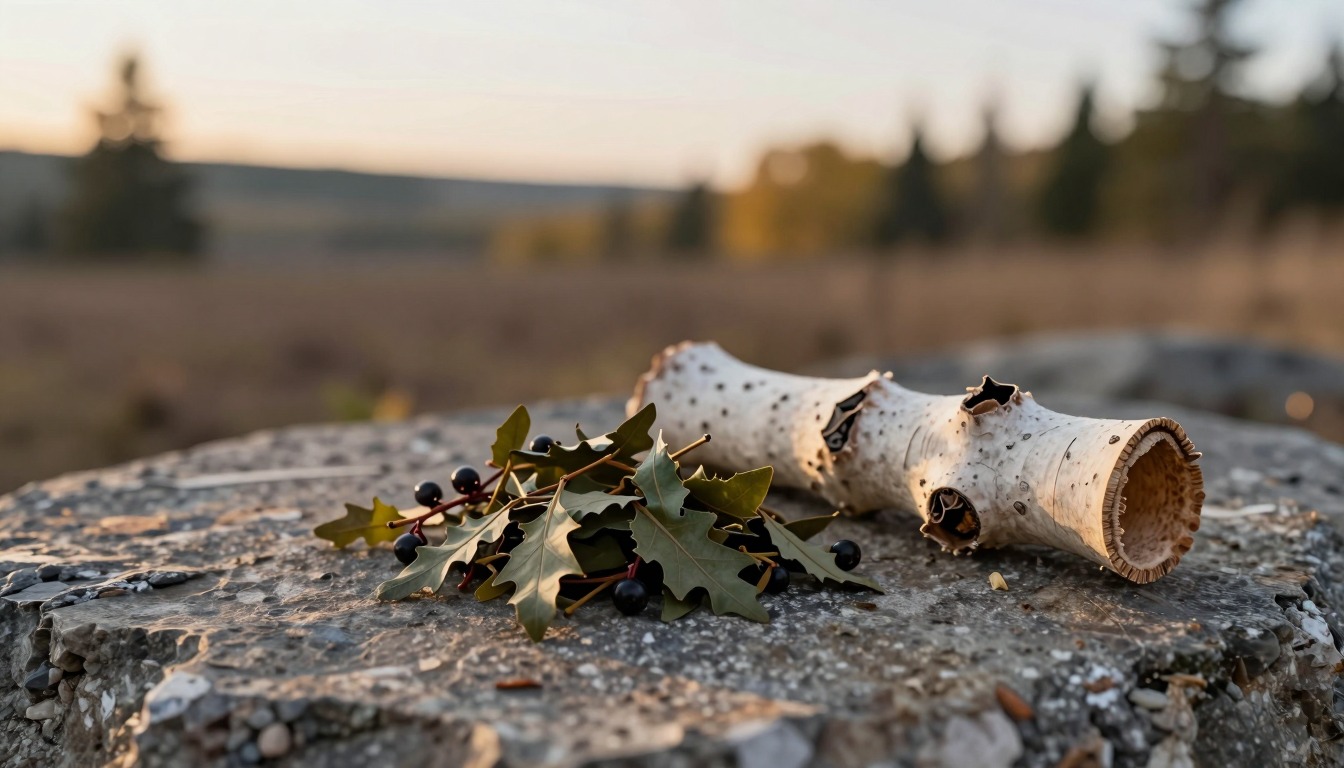
Kinnikinnick means “mixture”. The word comes from Unami Delaware, an Algonquian language, and goes back to a Proto-Algonquian word for “to mix by hand with something else”. European hunters, traders and settlers of the colonial period transferred the name to various shrubs whose bark or leaves are traditionally smoked.
Named above all are bearberry (Arctostaphylos) and red osier dogwood (Cornus sericea), and also, among others, several sumac species. In the case of dogwood, according to Wikipedia, the inner bark is roasted over the fire, pulverized and kept in a pouch of cloth or leather. It can be used alone or with other herbs. Preparation and ingredients differed by region and nation. Wikipedia also describes a rough tendency: eastern tribes traditionally used Nicotiana rustica for social smoking, western tribes kinnikinnick mostly for ceremonial purposes.
Our source goes no further. Which mixture belonged to which people and for what is knowledge of the respective communities and of the experts who work with them.
Calumet and pipestone
According to Wikipedia, a ceremonial pipe is a smoking instrument that several Indigenous cultures of the Americas use at sacred ceremonies: to offer prayers, to enter into a ceremonial obligation or to seal an alliance or treaty. The National Park Service writes that the pipe is sacred to many Indigenous people in the USA (“American Indians” in the original) and is used for prayer, important rites as well as civil and religious ceremonies.
The word “calumet” comes from Norman French. It is first attested in David Ferrand’s collection “La Muse normande” from around 1625 to 1655. Settlers originally used it only for the hollow, decorated pipe shaft. The pipe bowl was regarded as a ritual object in its own right. The word is related to a kind of reed from which pipes were made.
The term “peace pipe” is misleading. Wikipedia quotes the National Park Service: early settlers and soldiers saw the pipe smoked at treaty signings and therefore misunderstood it as something that only symbolizes peace.
One material for pipe bowls is catlinite, a red pipestone. Wikipedia names deposits in Minnesota and Utah. Pipestone National Monument in Minnesota is, according to the National Park Service, in formal exchange with 23 tribal nations that have historical connections to the quarries. The pipestone quarried there is made into pipes for prayer and ceremony, and the quarries have been a sacred gathering place of Indigenous peoples from all over North America since ancient times. Only enrolled members of tribes recognized by the US federal government may quarry it. Archaeologists have found traces of human activity there spanning more than 3,000 years.
Copal in Mesoamerica
Copal is a tree resin that the cultures of pre-Columbian Mesoamerica burned as ceremonial incense. The word comes from Nahuatl: copalli means “incense”. The Maya call it pom, a word that, according to the anthropologist Brian Stross, is itself borrowed from the Mixe-Zoquean languages.
Botanically the matter is varied. Stross considers Bursera bipinnata the probably most important copal source in large parts of Mesoamerica. He relies, among other things, on infrared analyses, for example of a sample from a Late Preclassic tomb in Mexico. He also names Protium copal, Bursera simaruba and Pinus pseudostrobus. In addition he cites a notion of the Lacandón Maya: when pom burns, the incense turns into tortillas that the gods eat. Stross sees a parallel in this: maize is the food of humans, copal that of the gods.
According to FLAAR Mesoamerica, pom is the most important incense at Maya religious ceremonies, and archaeologists find incense burners (incensarios) that are over a thousand years old. Wikipedia notes that some Indigenous peoples of Mexico and Central America still use copal as incense today.
The terms at a glance
| Term | Origin of the word | What it refers to |
|---|---|---|
| Kinnikinnick | Unami Delaware, “mixture” | Name for shrubs whose bark or leaves are traditionally smoked, e.g. bearberry, red osier dogwood, sumac |
| Calumet | Norman French, after a kind of reed | Originally the hollow shaft of a ceremonial pipe |
| Catlinite | Name of a rock | Red pipestone, deposits e.g. in Minnesota and Utah, for pipe bowls |
| Copal | Nahuatl copalli, “incense” | Resin of various trees, burned as incense in Mesoamerica |
| Pom | Maya, borrowed from Mixe-Zoquean | Maya word for copal |
And what about sage sets?
Ready-made sage sets appear on the market, often under the English term “smudging”. Wikipedia notes that not all Indigenous cultures of North America that ceremonially burn herbs or resins call their practice that, and that the use of sage is neither universal nor as widespread as many believe. The same source reports that Indigenous practitioners found their traditional harvesting areas harvested bare, and that Indigenous activists criticize the sale of such sets by large retail chains as cultural appropriation.
That is why we do not explain here how one would do it “correctly”. That is not ours to say.
The plant itself is placed botanically in Smoking sage.
The blends Mild and Mild Silver
Frequently asked questions
Kinnikinnick means “mixture” and comes from Unami Delaware, an Algonquian language. Europeans of the colonial period transferred the name to shrubs such as bearberry or red osier dogwood, whose bark or leaves are traditionally smoked, alone or with other herbs.
The word comes from Norman French and originally referred only to the hollow, decorated shaft of a ceremonial pipe. The pipe bowl was regarded as a ritual object in its own right.
Only to a limited extent. According to the National Park Service, early settlers and soldiers saw the pipe at treaty signings and misunderstood it as a pure symbol of peace. It also serves prayer as well as civil and religious ceremonies.
No. The CDC describes traditional tobacco as plant material without added chemicals that is, for example, offered in prayer and rarely inhaled. Commercial tobacco is made by companies and sold for profit.
According to the National Park Service, only enrolled members of tribes recognized by the US federal government.
A tree resin that was burned as ceremonial incense in pre-Columbian Mesoamerica and is still used today by some Indigenous peoples of Mexico and Central America. The word comes from Nahuatl copalli; the Maya call it pom.
An honest assessment
This article tells cultural history from sources. It says nothing about how smoke, tobacco or resins affect anyone, and it advises nothing.
For smoke of any kind: even nicotine-free herbal smoke is smoke. Burning plant material produces combustion products such as tar and carbon monoxide, which arises from the incomplete combustion of carbon-containing substances. In a study in Toxicological Research (2015), the smoke of a tested nicotine-free herbal cigarette contained more carbon monoxide and benzo[a]pyrene than that of a tobacco cigarette with the same tar content, and the smoke condensate showed a higher mutagenic potential at the same concentration. That applies to this one product, but it shows that nicotine-free is not the same as free of concern.
Our tobacco substitute has nothing to do with incense and ceremonies. What Mild and Mild Silver leave out is the tobacco and the nicotine. We claim nothing more. Ritual Herbs is aimed at adults.
Keep reading
Sources
- History of tobacco, Wikipedia (en): archaeological finds up to 12,300 years, center of origin in the Andes, pipe ceremonies of eastern tribes, introduction to Europe around 1528.
- Nicotiana rustica, Wikipedia (en): cultivation in North America now only in small quantities by some tribes.
- American Indian and Alaska Native People and Commercial Tobacco, CDC: definition of traditional and commercial tobacco, offering in prayer, rarely inhaled.
- The difference between commercial tobacco and sacred tobacco, Truth Initiative: the “Keep it Sacred” network.
- Kinnikinnick, Wikipedia (en): origin of the word, plants, preparation of the bark, eastern and western tribes.
- Ceremonial pipe, Wikipedia (en): purpose, catlinite deposits, origin of the word calumet, National Park Service quote on the term “peace pipe”.
- Frequently Asked Questions, Pipestone National Monument, National Park Service: significance of the pipe, quarrying only for members of recognized tribes.
- Affiliated Tribal Nations, Pipestone National Monument, National Park Service: 23 nations, pipestone for prayer and ceremony, quarries since ancient times.
- History and Culture, Pipestone National Monument, National Park Service: more than 3,000 years of human activity.
- Copal, Wikipedia (en): Nahuatl copalli, use in pre-Columbian Mesoamerica, present-day use by some Indigenous peoples.
- Copal, after Stross (1997), PlantUse: Bursera bipinnata, other tree species, pom, notion of the Lacandón Maya (after McGee 1990).
- Copal Pom in Maya Ceremonies, FLAAR Mesoamerica: most important incense of the Maya, old incensarios.
- Wikipedia (en), article on the ceremonial burning of herbs in North America: term not used everywhere, sage, criticism of commercial sets.
- Bak JH, Lee SM, Lim HB: Safety Assessment of Mainstream Smoke of Herbal Cigarette, Toxicological Research, 2015: tar, carbon monoxide, benzo[a]pyrene, mutagenicity.
- Kohlenstoffmonoxid, Wikipedia (in German): formation during incomplete combustion.
x
Please sign in to write a comment.