Key points
- Poison information centres classify cherry laurel, red foxglove, yew, oleander, angel’s trumpet and thorn apple as poisonous to very poisonous. Their statements refer to ingestion.
- We found no study on the smoke of these plants. So we do not know how it behaves, and we advise against it.
- Drying does not make poisonous plants harmless. For oleander, the Bonn poison centre says dried leaves are only “almost half as toxic” as fresh ones.
- Coltsfoot contains pyrrolizidine alkaloids, which according to the BfR can damage the liver and caused genetic damage and cancer in animal studies.
- Ritual Herbs uses seven declared plant ingredients. None of the plants named here is among them.
Table of contents
- Loading...
Smoking poisonous plants? That is not a question of taste but of safety. If you collect herbs for a blend, or look at your neighbour’s hedge, you should know which plants the poison centres classify as dangerous and which can be mistaken for harmless ones. This article is a warning list with sources, not a how-to.
Which plants do not belong in a smoking blend?
In short: Which plants should you not smoke?
Plants that poison information centres classify as poisonous or very poisonous do not belong in a smoking blend. They include cherry laurel, red foxglove, yew, oleander, angel’s trumpet and thorn apple.1, 2, 3, 4, 5, 6 Coltsfoot is a warning of its own: it contains pyrrolizidine alkaloids, which according to the BfR can damage the liver.9
The list is a selection. On its plant overview, the Bonn poison centre lists further entries, among them monkshood, deadly nightshade, laburnum, autumn crocus and mezereon.1 Here we cover a selection for which the poison centres give clear information.
What do the poison centres say?
The classifications come from the Poison Information Centre at the University Hospital Bonn. They apply to ingestion, not to smoke:
| Plant | Classification (Bonn poison centre) | Group of active substances according to the centre | Source |
|---|---|---|---|
| Cherry laurel (Prunus laurocerasus) | poisonous | cyanogenic glycosides | 2 |
| Red foxglove (Digitalis purpurea) | poisonous to very poisonous | digitaloids, cardiac glycosides | 3 |
| Yew (Taxus baccata) | poisonous to very poisonous | taxine in needles and seeds | 4 |
| Oleander (Nerium oleander) | poisonous | cardiac glycosides | 5 |
| Angel’s trumpet (Brugmansia) | very poisonous | tropane alkaloids: scopolamine, hyoscyamine, atropine | 6 |
| Thorn apple (Datura stramonium) | very poisonous | scopolamine and related alkaloids | 7 |
“Very poisonous” means for angel’s trumpet and thorn apple: the alkaloids are present in all parts of the plant. For angel’s trumpet, the poison centre states that according to the literature even the smallest amounts can trigger symptoms.6, 7
Cherry laurel and foxglove: what should you watch for?
Cherry laurel: bay laurel is not cherry laurel
Cherry laurel is a common ornamental shrub, yet it is on this list. The Bonn poison centre classifies it as poisonous. Mainly the leaves and seeds contain cyanogenic glycosides, and when the leaves are chewed thoroughly, hydrocyanic acid is released.2 The spice on the shelf is bay laurel, a different plant. How the two differ, and why leaf shape alone is not enough, is explained in the article Smoking bay leaves: botany, cooking and the confusion with cherry laurel.
Foxglove: only leaves in the first year
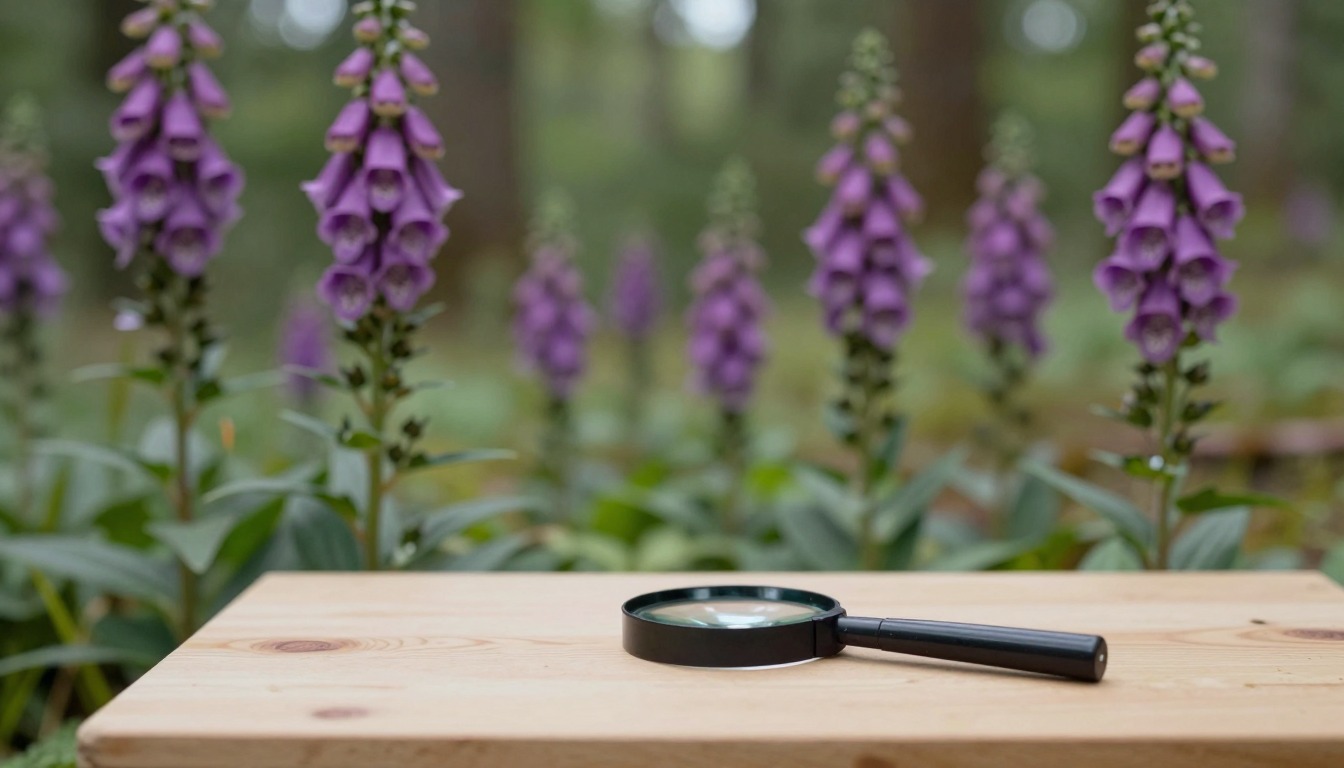
Red foxglove is biennial. In its first year it forms, according to the BfR, a rosette of large, wrinkled leaves; only in the second year does the stem with the flowers grow, from June to August.8 So if you only see leaves, you do not yet see its most striking identifying feature. The Bonn poison centre classifies the plant as poisonous to very poisonous, and all parts of the plant are affected. First signs after ingestion are nausea, vomiting and diarrhoea, and heart rhythm disorders can follow.3
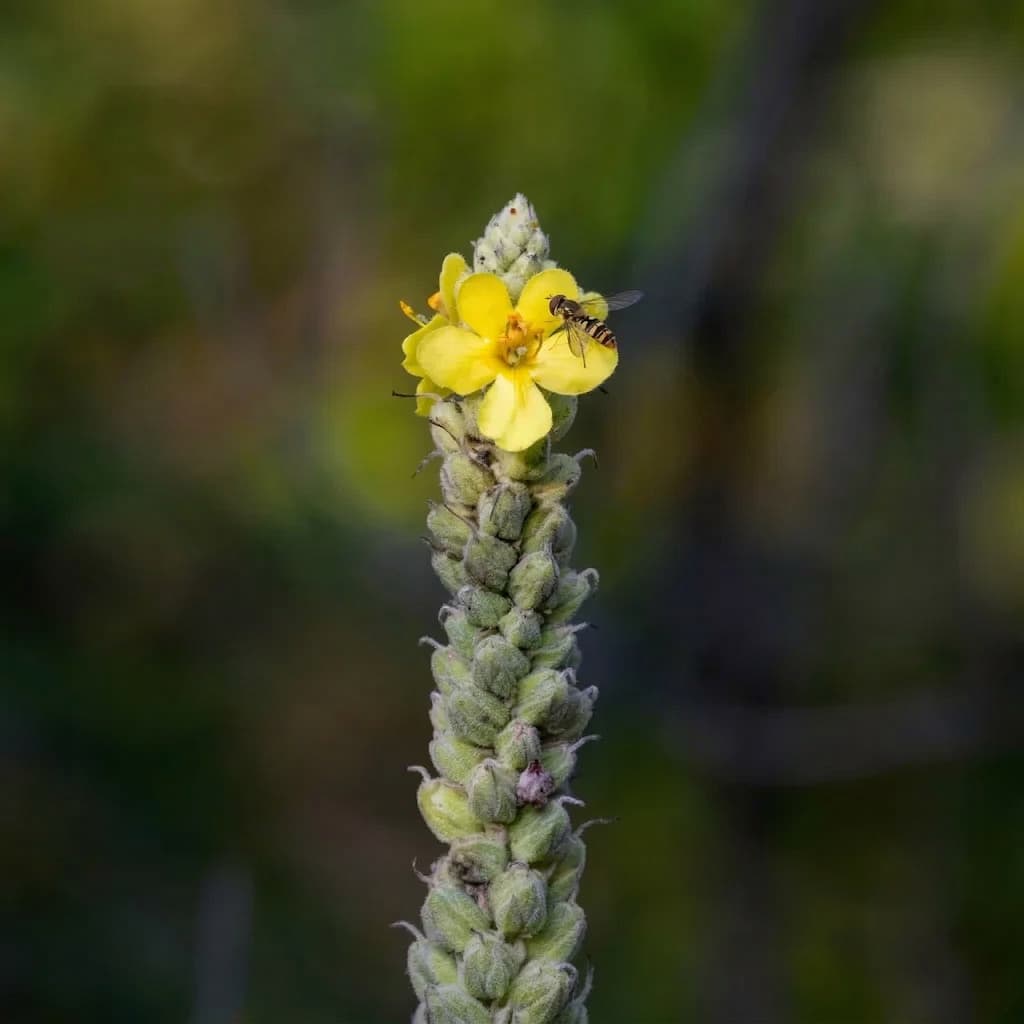
Whether foxglove and mullein rosettes are actually mistaken for each other, we have not found in any source we opened. We therefore do not claim such a case. The principle still applies: what you cannot identify with certainty does not belong in a blend. More on mullein as a cultural plant in Smoking mullein.
Yew and oleander: does drying make poisonous plants harmless?
In yew, the poison taxine sits in high concentration in the needles and seeds. The flesh of the seed coat is non-toxic according to the poison centre, the rest of the plant is not.4 In oleander, mainly the leaves of wild-growing plants contain cardiac glycosides; in the cultivated forms common in the trade the content is much lower. And dried leaves are, according to the poison centre, almost half as toxic as fresh ones.5 That is the point that matters for smoking herbs: drying and cutting are craftsmanship, but they do not turn a poisonous plant into a non-poisonous one.
Thorn apple and angel’s trumpet: a chapter of cultural history
Thorn apple (Datura stramonium) appears in the history of smoking, namely in the history of medicine. The historian Antoinette Sutto of Cold Spring Harbor Laboratory describes that inhaling the smoke of burnt medicinal plants against breathing problems goes back to antiquity and increased in the West in the 19th century with smoking in general. Around 1800, British colonists in India learned of the smoking of Datura ferox. According to her article, herbal cigarettes against asthma were sold until the 1970s.10
That is history, not a recommendation. Thorn apple leaves no longer have any significance in medicine today.7 Today the Bonn poison centre classifies both thorn apple and the related angel’s trumpet as very poisonous and advises going to the nearest (children’s) hospital immediately if ingestion is suspected.6, 7 Both belong to the nightshade family, and we list them exclusively as a warning.
Coltsfoot: why is the old smoking plant considered problematic?
Coltsfoot has its place in plant history. German Wikipedia names Dioscorides, Pliny and Galen as ancient sources who mentioned the smoke of ignited coltsfoot leaves.11 More on this and on its role as a smoking herb in Smoking coltsfoot: history and present.
In short: Why is coltsfoot problematic?
Coltsfoot is one of the plants containing pyrrolizidine alkaloids (PA). The German Federal Institute for Risk Assessment (BfR) writes that these plant substances could damage the human liver and caused genetic damage and cancer in animal studies.9, 11 Wikipedia additionally points out that coltsfoot leaves are considered obsolete in medicine.11
According to the sources we opened, this assessment concerns preparations taken by mouth. How PA behave in smoke, we have not found.
What to do if you suspect poisoning?
In short: What is the poison emergency number?
The Poison Information Centre at the University Hospital Bonn can be reached around the clock on +49 228 19240.1 The Poison Information Centre North (Lower Saxony, Schleswig-Holstein, Hamburg, Bremen) has the emergency and advice line +49 551 19240.12
| Centre | Telephone |
|---|---|
| Bonn | 0228 19240 |
| Berlin | 030 19240 |
| Erfurt | 0361 730 730 |
| Freiburg | 0761 19240 |
| Göttingen (GIZ-Nord) | 0551 19240 |
| Mainz | 06131 19240 |
| Munich | 089 19240 |
The list comes from the Bonn poison centre, which gives them as alternative numbers in case the main number cannot be reached.1 For yew, the poison centre recommends letting the person drink plenty, calling the poison emergency centre and seeing a doctor if symptoms appear.4 For foxglove, the BfR advises removing plant remains from the mouth and contacting a poison information centre.8 Everything else, the advice on the phone will tell you, not this article.
What is in Mild and Mild Silver?
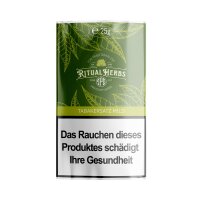
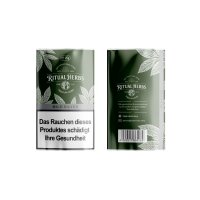
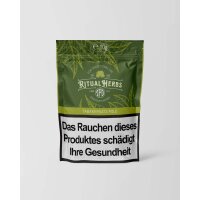
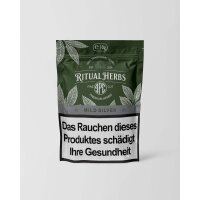
Mild and Mild Silver contain the same seven plant ingredients: mullein leaves, blackberry leaves, lotus flower petals, hollyhock leaves, turmeric leaves, liquorice root and liquorice leaves. They are openly declared on the pack and processed in Germany. Both blends are free of tobacco and nicotine. None of the plants from this article is among them. Which herbs can you smoke? gives an overview of how we think about choosing plants, you will find the range under Tobacco substitute, and what is in a blend is explained in Herbal tobacco substitute blend.
Mild and Mild Silver: the blends in the shop
Frequently asked questions
Yes, in everyday speech the two names get mixed up. True bay laurel is a spice; cherry laurel is a different plant that the Bonn poison centre classifies as poisonous. You cannot reliably tell the difference by leaf shape alone.2
Not necessarily. For oleander, dried leaves are according to the Bonn poison centre almost half as toxic as fresh ones, so still poisonous. Drying is not detoxification.5
Coltsfoot contains pyrrolizidine alkaloids. The BfR writes that these substances could damage the human liver and caused genetic damage and cancer in animal studies. We found no study on the smoke.9
No. Even without tobacco and nicotine, burning plant material creates combustion products. A review in ACS Omega (2022) lists, among the hazardous substances in herbal cigarettes, carbon monoxide, polyaromatic compounds and N-nitrosamines.13
An honest assessment: what we do not know
For almost all plants in this article the same gap applies: the poison centres describe what happens after eating or chewing. On the smoke of these plants we found neither measurements nor case reports that we could check. That does not mean the smoke is harmless. It only means there is no basis for presenting it as tolerable. If you do not know a plant for certain, you have no basis for using it.
Smoke stays smoke. Tobacco-free does not mean risk-free: burning plant material creates combustion products, among them carbon monoxide.13 This article is not a recommendation to use any of the plants named, and no substitute for advice from a poison information centre.
With Mild and Mild Silver, tobacco and nicotine are left out. We claim nothing more. They are not a health product and not a means of quitting smoking. If you want to stop, you will find support at rauchfrei-info.de, the portal of the Federal Institute for Public Health, and by phone on 0800 8 31 31 31 (in German).14 Ritual Herbs is aimed at adults.
Read more

Sources
- Poison Information Centre at the University Hospital Bonn: Plant overview (in German). Retrieved in October 2026. Classifications, emergency number 0228 19240, alternative numbers.
- Bonn poison centre: Cherry laurel (in German). Retrieved in October 2026.
- Bonn poison centre: Red foxglove (in German). Retrieved in October 2026.
- Bonn poison centre: Yew (in German). Retrieved in October 2026.
- Bonn poison centre: Oleander (in German). Retrieved in October 2026.
- Bonn poison centre: Angel’s trumpet (in German). Retrieved in October 2026.
- Bonn poison centre: Thorn apple (in German). Retrieved in October 2026. On its significance in medicine: Wikipedia (de), Gemeiner Stechapfel, section “Verwendung, ökonomische Bedeutung”.
- German Federal Institute for Risk Assessment (BfR): BfR poison garden: red foxglove (in German). Retrieved in October 2026.
- BfR press release no. 22/2018 of 14 June 2018: Riskante Nahrungsergänzung aus der Natur (risky dietary supplements from nature; in German).
- Sutto A: Coughing and Cigarettes: Datura stramonium and the Treatment of Asthma. Cold Spring Harbor Laboratory Archives, 3 October 2022.
- Wikipedia (de): Huflattich (coltsfoot). Retrieved in October 2026. Ancient mention, PA content, status in medicine.
- Poison Information Centre North (GIZ-Nord), Göttingen: giz-nord.de (in German). Retrieved in October 2026.
- Abdel Rahman RT, Kamal N, Mediani A, Farag MA: How Do Herbal Cigarettes Compare To Tobacco? ACS Omega 7(50):45797–45809, 2022. PMC9773184.
- Federal Institute for Public Health: rauchfrei-info.de (in German). Retrieved in October 2026.

x
Please sign in to write a comment.