Key points
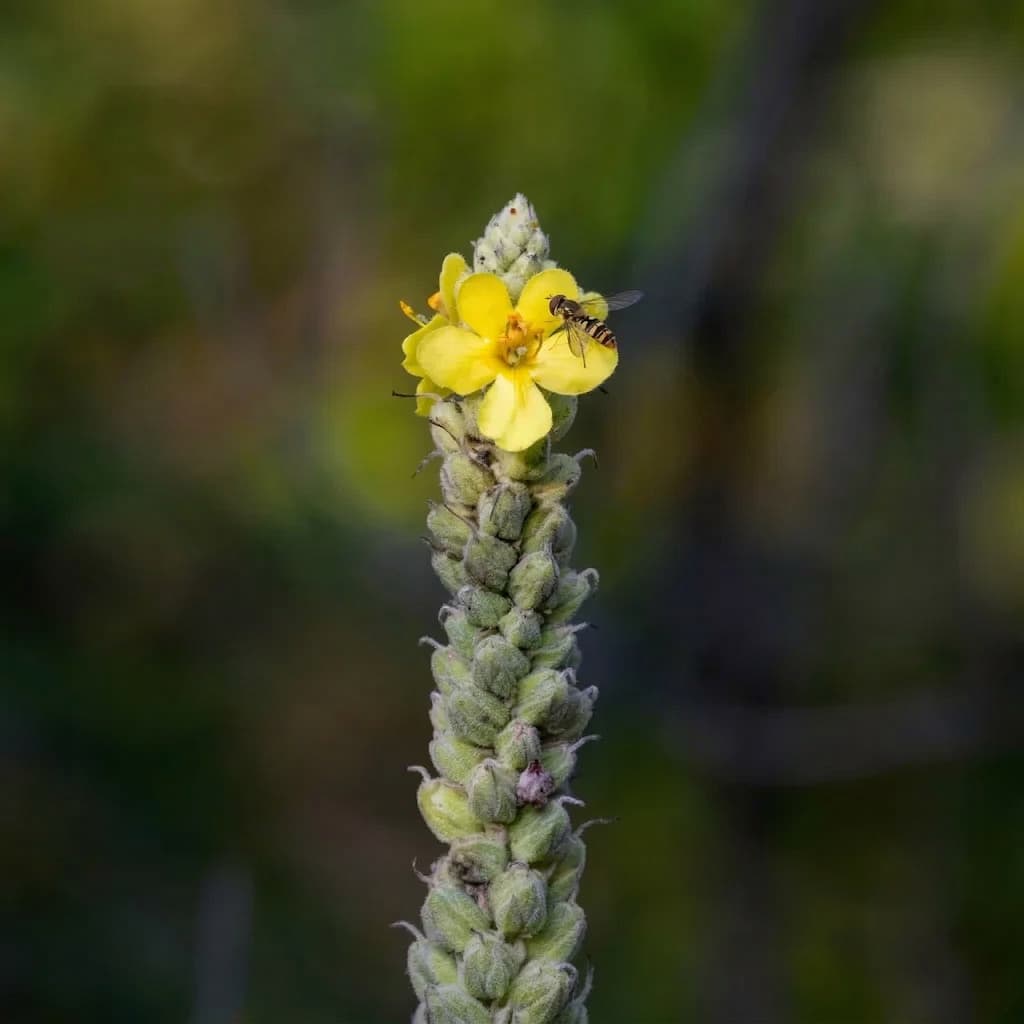
- Mullein (Verbascum thapsus) is a mostly biennial wild plant covered in dense, felty hairs. It is not a tobacco plant but belongs to the figwort family.
- Its leaves and flowers contain, among other things, mucilage, saponins, flavonoids and tannins.
- It is handed down that the leaves were smoked in the past. You cannot derive any benefit from that.
- At Ritual Herbs, mullein leaves are one of seven ingredients in Mild and Mild Silver.
- Even nicotine-free herbal smoke is smoke. Burning produces carbon monoxide and other combustion products.
Table of contents
- Loading...
Mullein leaves are one of seven ingredients in Ritual Herbs Mild and Mild Silver. The plant is a wild plant covered in felty hairs that grows in sunny, stony places and is not botanically related to tobacco. It is handed down that its leaves were smoked. We promise you no effect, and what we can substantiate is listed in the sources at the end.
What is mullein?
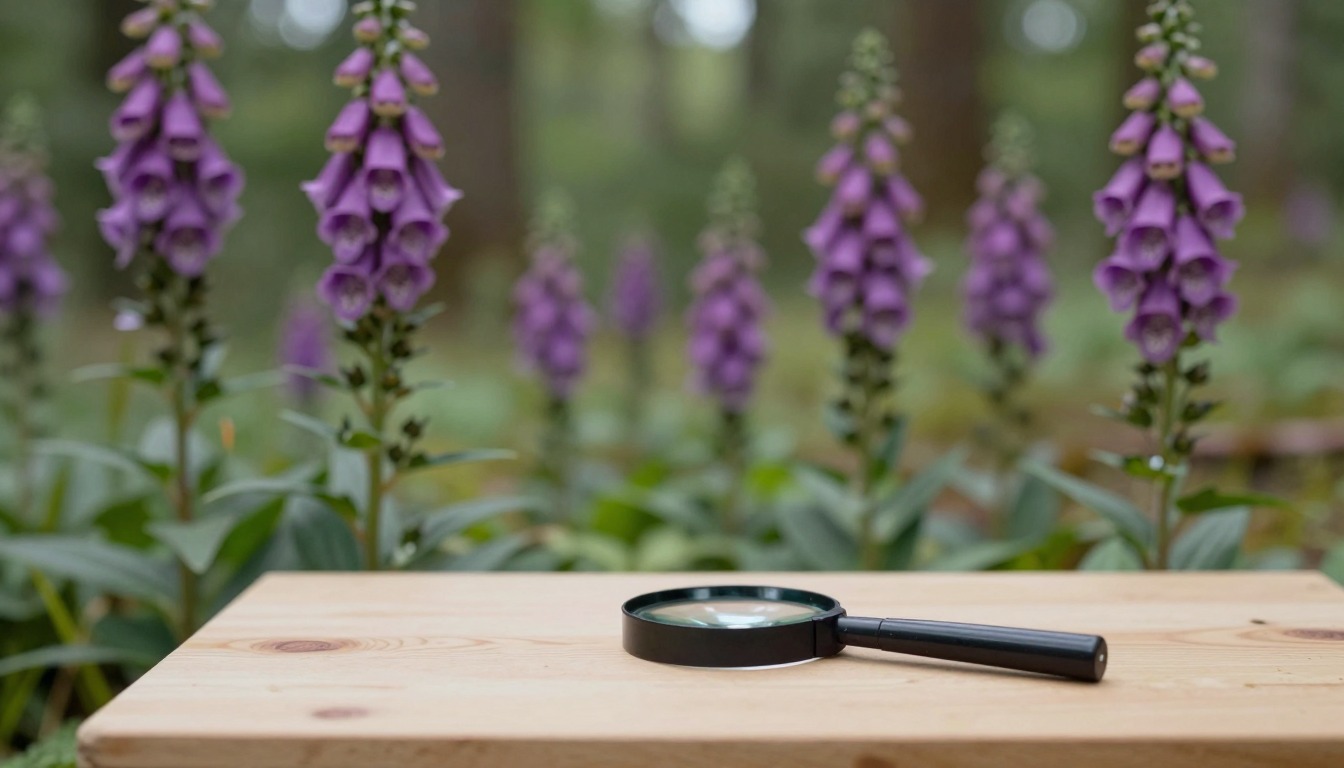
Common mullein (Verbascum thapsus) is a mostly biennial, densely felty-haired plant from the figwort family (Scrophulariaceae). In its first year it forms a rosette of large leaves, in its second a stalk 30 to 200 centimetres tall. It grows in Europe, North Africa and Asia, preferring sunny, stony spots.
You will find it on sunny roadsides, in gravel pits, on gravelly ground and on embankments. The hairs are star-shaped and especially dense on the leaves. The name mullein derives from the French word for “soft”.
- Botanical name: Verbascum thapsus
- Family: figwort family (Scrophulariaceae). Tobacco belongs to the nightshade family, so to a different family.
- Growth habit: mostly biennial, a leaf rosette in the first year, a stalk in the second year
- Height: 30 to 200 cm
- Flowering season: June to August
- Distribution: Europe, North Africa, Asia; introduced in North America, Australia and New Zealand
- German folk names: Wollblume, Kleinblütiges Wollkraut, Himmelsbrand, Fackelkraut, Wetterkerze
- In our blends: mullein leaves
What is in the leaves?
The flowers and leaves of mullein contain, among other things, saponins, polysaccharides, mucilage, flavonoids, tannins, iridoid glycosides and essential oils. Mucilage consists of biopolymers made up mainly of polysaccharides. They absorb water and swell into gel-like colloids. Marshmallow and common mallow contain them too.
This list says nothing about smoking. We have not found it substantiated what remains of these substances when the plant is burned. For the same reason we give no percentages: a number without a source is worse than none.
What is handed down about the plant?
In the first century AD, Pliny the Elder described mullein in his Naturalis Historia. Roman soldiers are said to have dipped the stalks in fat and used them as torches. Dipped in resin or pitch, the stalks also served as torches in earlier times. In German folk usage it is called, among other names, Fackelkraut (torch herb) or Himmelsbrand (sky fire).
Smoking the leaves is also handed down. In America this custom was quickly adopted by Indigenous peoples. That is cultural history, not evidence of a benefit. Burning produces smoke; more on that under An honest assessment.
Mullein in Mild and Mild Silver
Ritual Herbs Mild and Mild Silver contain the same seven plant ingredients: mullein leaves, blackberry leaves, lotus flower petals, hollyhock leaves, turmeric leaves, licorice root and licorice leaves. They are tobacco-free and nicotine-free.
The seven plant ingredients
In Mild and Mild Silver
mullein leaves
blackberry leaves
lotus flower petals
hollyhock leaves
turmeric leaves
licorice root
licorice leaves
The differences lie only in composition, blending ratio and cut. Mild is soft, harmonious and restrained in flavour; Mild Silver is calm but somewhat more distinctive. How much mullein is in which blend remains our recipe. Behind the blends stand several years of work on our own process techniques.
We source the herbs primarily from Europe. In addition there are selected, wild-picked herbs from India that grew without fertiliser and without chemical treatment. We do not specify here which herb comes from where. Final processing, fine-tuning and quality control take place in Germany. You can find more about the varieties on the Tobacco substitute page.
The blend as a whole is described in Tobacco substitute: what is an herbal smoking blend?; an overview of plants that have been smoked is in Which herbs can you smoke?.
How do cut and moisture matter?
With herbal tobacco substitutes, cut, structure, moisture and blending ratio determine how the material can be processed and how it burns. Herbs cut too coarsely are hard to work with; material that is too fine can create dust or burn unevenly. Mixtures that are too dry can feel harsh and burn quickly; ones that are too moist are hard to light.
Our aim is a blend that is loose but not brittle, finely cut but not dusty. Mild and Mild Silver are tuned for a calm, as even as possible burning behaviour. Paper, moisture, fill amount and airflow still influence it, because these are herbal blends and not industrial tobacco.
Storing it properly
- Dry and cool: an ordinary shelf is enough.
- Protected from direct sunlight: not on the windowsill.
- Close after opening: press the pack shut cleanly so that structure and moisture stay stable.
Both pack sizes of Mild and Mild Silver are resealable. A mixture that is too dry can burn faster; one that is too moist is harder to light.
Frequently asked questions
Mullein leaves, blackberry leaves, lotus flower petals, hollyhock leaves, turmeric leaves, licorice root and licorice leaves. Both varieties contain the same ingredients; only composition, blending ratio and cut differ.
Mild is softer and more balanced, restrained in flavour. Mild Silver has a somewhat more distinctive, stronger herbal profile but stays calm and balanced. Both come in 10 g and 25 g packs.
Mild and Mild Silver are tobacco-free and nicotine-free. Botanically, mullein belongs to the figwort family and tobacco to the nightshade family. These are two different plant families.
We make no such promise. All that is substantiated is that smoking the leaves is handed down. Burning plant material produces carbon monoxide and other combustion products, whichever plant is burning.
Primarily from Europe. In addition we examine and source selected, wild-picked herbs from India that grew without fertiliser and without chemical treatment. Final processing takes place in Germany.
No. Even with tobacco-free and nicotine-free products, burning produces smoke. We therefore make no health claims.
An honest assessment
Tobacco-free does not mean risk-free. Burning plant material produces smoke, and that smoke contains combustion products such as carbon monoxide and tar. Carbon monoxide forms during the incomplete combustion of carbon-containing substances, whether tobacco or herbs are burning.
A Korean study from 2015 compared the smoke constituents of a nicotine-free, mugwort-based herbal cigarette with a tobacco cigarette. The herbal cigarette came to 12.30 mg of carbon monoxide per cigarette, the tobacco cigarette to 6.07 mg, and in the test the smoke condensate showed a higher mutagenic potential than that of the tobacco cigarette at the same concentration. This applies to this one tested product and not automatically to our blends. But it shows that nicotine-free is not the same as harmless.
What falls away with our blends is the tobacco and the nicotine. We claim nothing more. Ritual Herbs is aimed at adults. If you want to quit entirely, talk to a doctor or a counselling service about it.
Mullein in the finished blend
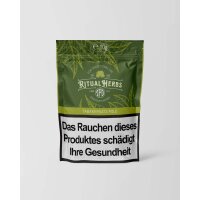
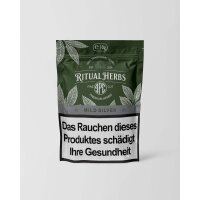
Mild and Mild Silver contain the same seven herbs, blended and cut differently. Both come in 10 g and 25 g packs.
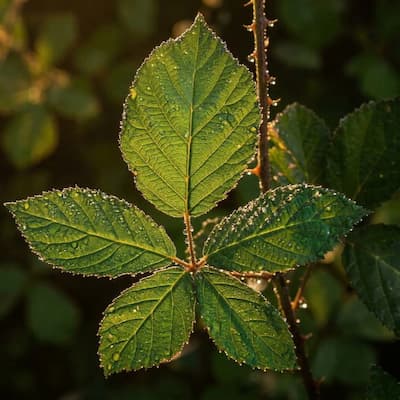
Two more ingredients of the blend are blackberry leaves and lotus flower.
Mild and Mild Silver
Keep reading
Sources
- Kleinblütige Königskerze, Wikipedia (in German): growth habit, height, distribution, habitats, folk names (including Fackelkraut), torches made from resin or pitch, family, flowering season, star-shaped hairs.
- Verbascum thapsus, Wikipedia (en): distribution, dense hairs on the leaves, etymology of mullein, Pliny, torches of Roman soldiers, constituents, smoking of the leaves and its adoption in America.
- Schleimstoffe, Wikipedia (in German): definition and occurrence.
- Virginischer Tabak, Wikipedia (in German): nightshade family.
- Naturalis Historia, Wikipedia (en): date of composition of the Naturalis Historia, 77 to 79 AD.
- Bak JH, Lee SM, Lim HB: Safety Assessment of Mainstream Smoke of Herbal Cigarette, Toxicological Research 31(1), 2015: carbon monoxide, tar, nicotine, mutagenicity.
- Kohlenstoffmonoxid, Wikipedia (in German): formation during incomplete combustion.
x
Please sign in to write a comment.