Key points
- Ritual Herbs Mild and Mild Silver contain the Indian lotus (Nelumbo nucifera), in the form of lotus flower petals. That is a manufacturer's statement.
- The Indian lotus is India's national flower and is considered a sacred flower in Hinduism and Buddhism. Its leaves gave the lotus effect its name.
- Lotus flower petals are one of seven ingredients. The others are mullein leaves, blackberry leaves, hollyhock leaves, turmeric leaves, licorice root and licorice leaves.
- Even nicotine-free herbal smoke is smoke. Burning plant material produces tar and carbon monoxide.
Table of contents
- Loading...
Smoking lotus flower: Mild and Mild Silver contain the Indian lotus.
The tobacco-free, nicotine-free blends Ritual Herbs Mild and Mild Silver contain lotus flower petals of the Indian lotus (Nelumbo nucifera), an aquatic plant from the lotus family. It is one of seven ingredients. This article tells what can be substantiated about the plant: botany, cuisine, cultural history. We write nothing about the taste in smoke, because we have no source for it.
Which lotus is meant?
What is meant is the Indian lotus (Nelumbo nucifera), also called sacred lotus. It belongs to the lotus family (Nelumbonaceae), a different family from the water lilies with which it is often confused. The species is a manufacturer's statement from Ritual Herbs. Not meant is the “blue lotus” (Nymphaea caerulea): it is a water lily and is not in Mild and Mild Silver.
The plant: Nelumbo nucifera
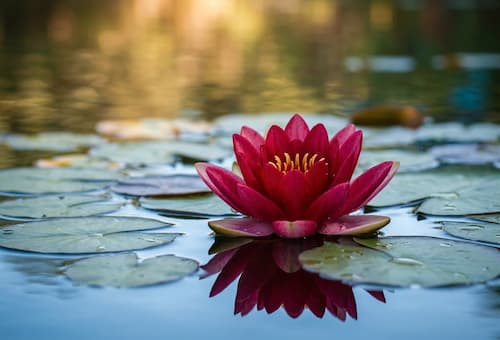
The Indian lotus is a perennial, herbaceous aquatic plant with runners. Its shield-shaped leaves reach 60 centimetres in diameter and more and sit on stalks 2 metres long and more. The flowers are pink or white, in some varieties also yellow, and the tepals grow 1 to 13 centimetres long.
- Botanical name: Nelumbo nucifera Gaertn.
- Family: lotus family (Nelumbonaceae)
- Growth habit: perennial aquatic plant, leaves 60 cm and more, stalks 2 m and more
- Flower: pink or white, yellow in some varieties
- Distribution: from India to Japan, south to Korea and northern Southeast Asia, occasionally at the Aral Sea and the Caspian Sea
- Other names: sacred lotus, Indian lotus (German: Indische Lotosblume)
- In Mild and Mild Silver: lotus flower petals (according to the ingredient list)
One detail you cannot see from looking at the flower: it keeps its temperature at 30 to 35 °C, even when the air cools to 10 °C.
The leaf that water rolls off
The lotus effect, the self-cleaning property of water-repellent surfaces, is named after the leaf of the Indian lotus. The botanist Wilhelm Barthlott studied the phenomenon with the scanning electron microscope from the early 1970s and coined the term “lotus effect”. The surface has a double structure: tiny cell elevations covered with wax crystals. Water droplets reach contact angles of around 170 degrees on it and roll off together with the dirt.
That is botany of the living plant. Mild and Mild Silver contain lotus flower petals, not lotus leaves.
Lotus in cuisine and tea culture
Several parts of the Indian lotus are food. The seeds are eaten fresh, candied or roasted; the rhizome is cooked and served, for example, with vinegar and soy sauce, or dried and made into flour. Young leaves and leaf stalks are eaten as a vegetable. In various cuisines the large leaves are also used to serve food on, and they are made into tea. Herbal teas are made from flowers and stamens.
The lotus therefore has a long history in cuisine and tea culture. We write nothing here about the taste of lotus flower petals in smoke, because we have no reliable source for it.
Lotus in cultural history
The Indian lotus is India's national flower and, unofficially, Vietnam's too. In Hinduism and Buddhism it is considered a sacred flower. The goddess Lakshmi is depicted sitting or standing on a lotus flower; in Buddhism the flower is associated with enlightenment.
These meanings belong to the cultural history of the plant. They say nothing about the smoke from lotus flower petals.
Lotus flower petals in Mild and Mild Silver
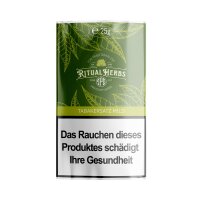
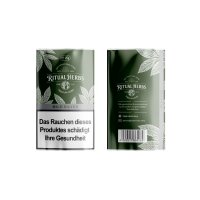
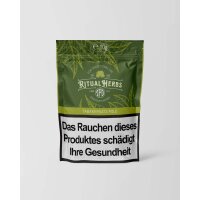
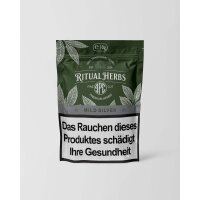
Both varieties contain the same seven ingredients: mullein leaves, blackberry leaves, lotus flower petals, hollyhock leaves, turmeric leaves, licorice root and licorice leaves. Mild and Mild Silver differ in composition, blending ratio and cut. Mild is gentler and more balanced, Mild Silver somewhat more distinctive in character.
The seven plant ingredients
In Mild and Mild Silver
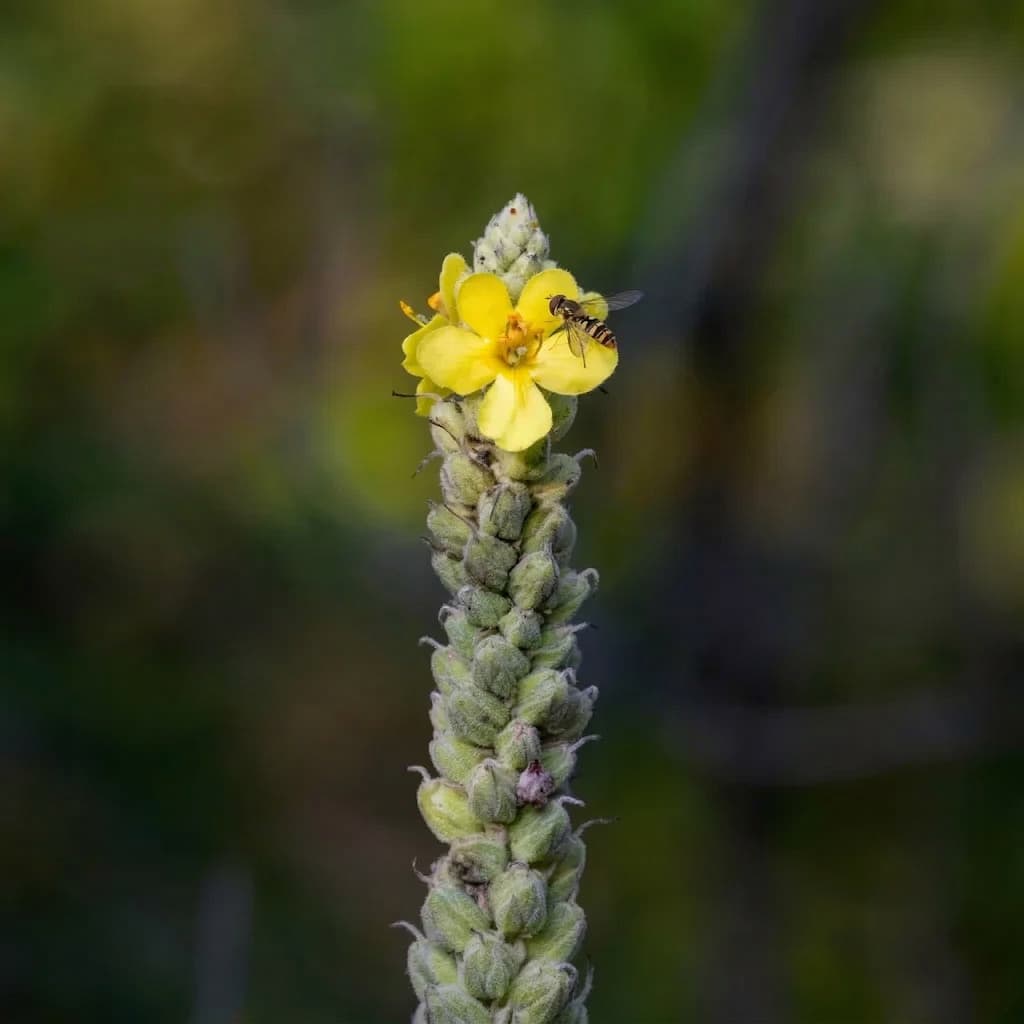
mullein leaves
blackberry leaves
lotus flower petals
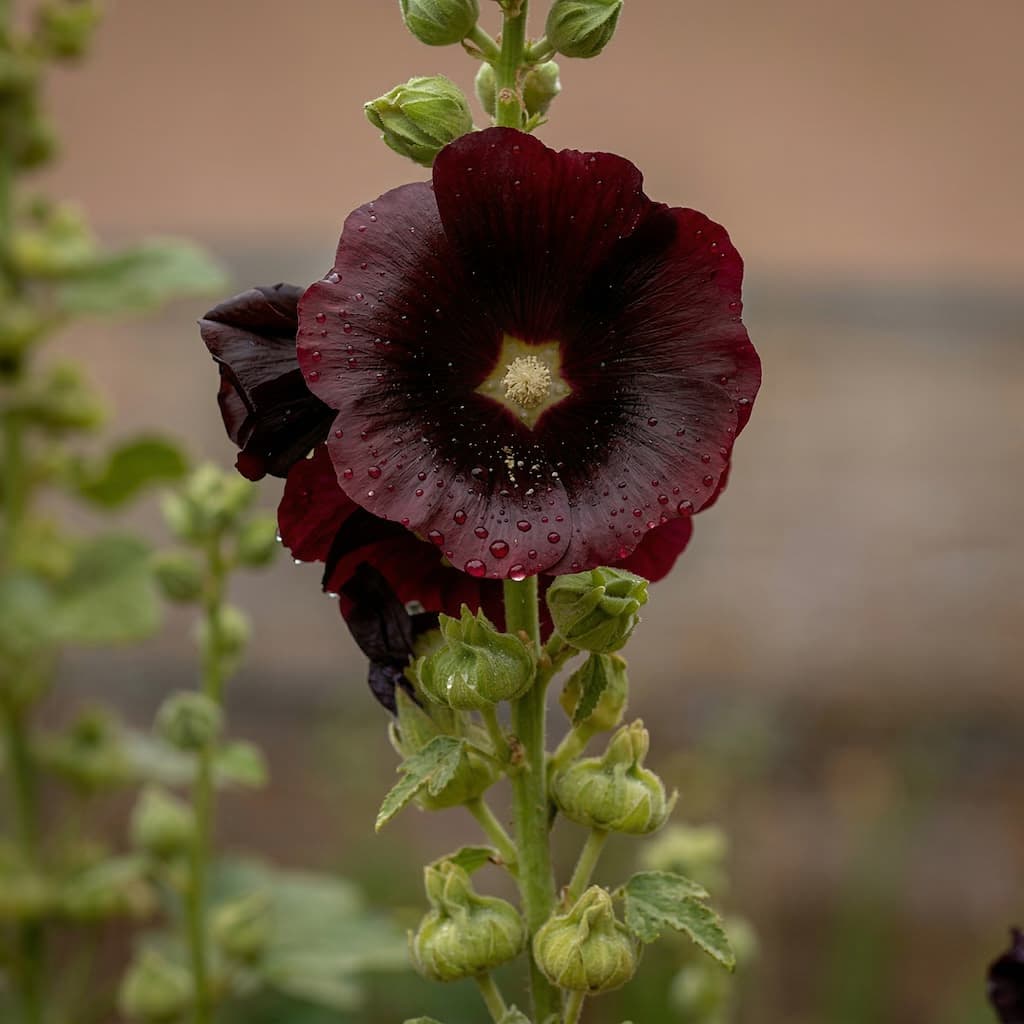
hollyhock leaves
turmeric leaves
licorice root
licorice leaves
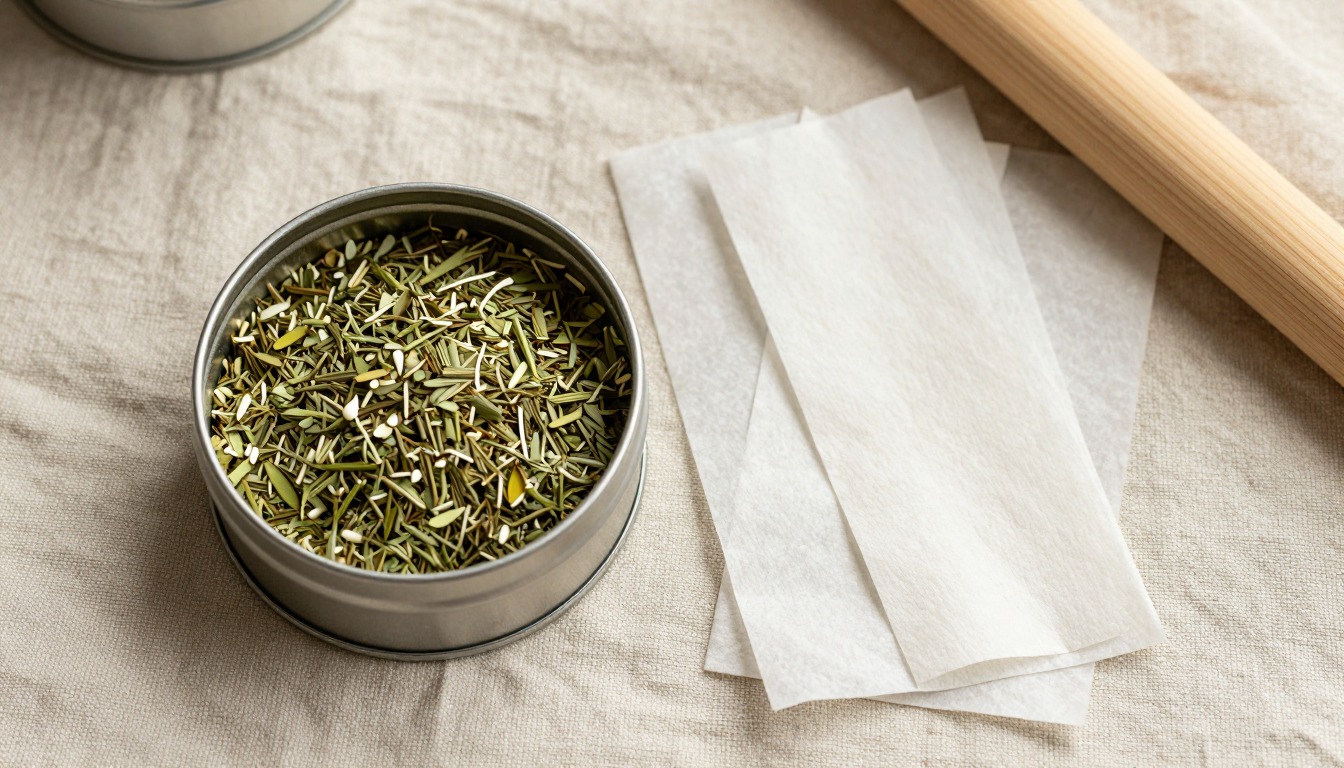
We do not state the blending ratio. What we can explain is the processing: both varieties are finely cut, and final processing takes place in Germany. An even cut supports airflow and burning behaviour. Material that is too fine can create dust or burn unevenly; material that is too coarse is hard to work with. You can find both blends under Tobacco substitute.
How the blends are put together overall is covered in Tobacco substitute: what is an herbal smoking blend?; more plants are listed in Which herbs can you smoke?.
Storing it properly
- Cool and dry: protected from direct sunlight.
- Closed: after opening, close the pack cleanly again. Both pack sizes are resealable.
- Why it matters: a mixture that is too dry burns faster; one that is too moist is hard to light.
Frequently asked questions
The Indian lotus, Nelumbo nucifera. That is a manufacturer's statement. The “blue lotus” (Nymphaea caerulea) is not included.
The flower petals. On the ingredient list they appear as “lotus flower petals”. Lotus leaves, seeds and rhizome are not listed.
Seeds, rhizome, and young leaves and leaf stalks. Tea is also made from the leaves, and herbal tea from flowers and stamens.
No. Both varieties are tobacco-free and nicotine-free.
We found none in our research. There are warnings on herbal cigarettes in general, which we quote in the assessment. Anything beyond that would be a claim.
We make no such claim. A tobacco substitute is not a health product. Burning produces smoke, even with tobacco-free and nicotine-free products.
Originally from India to Japan, south to Korea and in the north of Southeast Asia, occasionally also in the area of the Aral Sea and the Caspian Sea.
An honest assessment
Tobacco-free and nicotine-free does not mean smoke-free. Burning plant material produces tar and carbon monoxide, even without tobacco. In 2000, in a settlement with two cigarette manufacturers that also sold herbal cigarettes, the US Federal Trade Commission (FTC) required them to warn on the pack and in advertising: “Herbal cigarettes are dangerous to your health. They produce tar and carbon monoxide.” According to HealthDay, the American Cancer Society says: even herbal cigarettes without tobacco release tar, particles and carbon monoxide.
What falls away is the nicotine. We claim nothing more. Ritual Herbs is meant for adults who consciously do without classic tobacco. Anyone who wants to quit entirely is better off with a counselling service or a doctor's practice than with a tobacco substitute.
Lotus flower petals in the finished blend
Mild and Mild Silver
Read more
Sources
- Wikipedia (in German): Indische Lotosblume (name, family, distribution, growth, flower, use as food)
- Wikipedia (en): Nelumbo nucifera (family, distinction from water lilies, national flower, symbolism, tea, flower temperature)
- GBIF: Nelumbo nucifera (family)
- Wikipedia: Lotuseffekt (in German) and Lotus effect (Barthlott, structure, contact angle)
- US Federal Trade Commission, 27 April 2000: FTC Accepts Settlements of Charges that “Alternative” Cigarette Ads Are Deceptive
- HealthDay: Herbal Cigarettes: Are They Really Any Healthier? (quotes the American Cancer Society)
x
Please sign in to write a comment.